Yaoyorozu no Kami is the ancient Japanese belief that a life force, a kami, resides in all things. The name means eight million gods, a figure that stands for an uncountable multitude rather than a literal sum. Gods in all things, not in some things or special things but all of them: the rock, the river, the kitchen table. The belief has been absorbed into Shinto, but it is older than Shinto as an organised practice. It predates theology and is almost pre-verbal, an instinct before it was ever an idea.
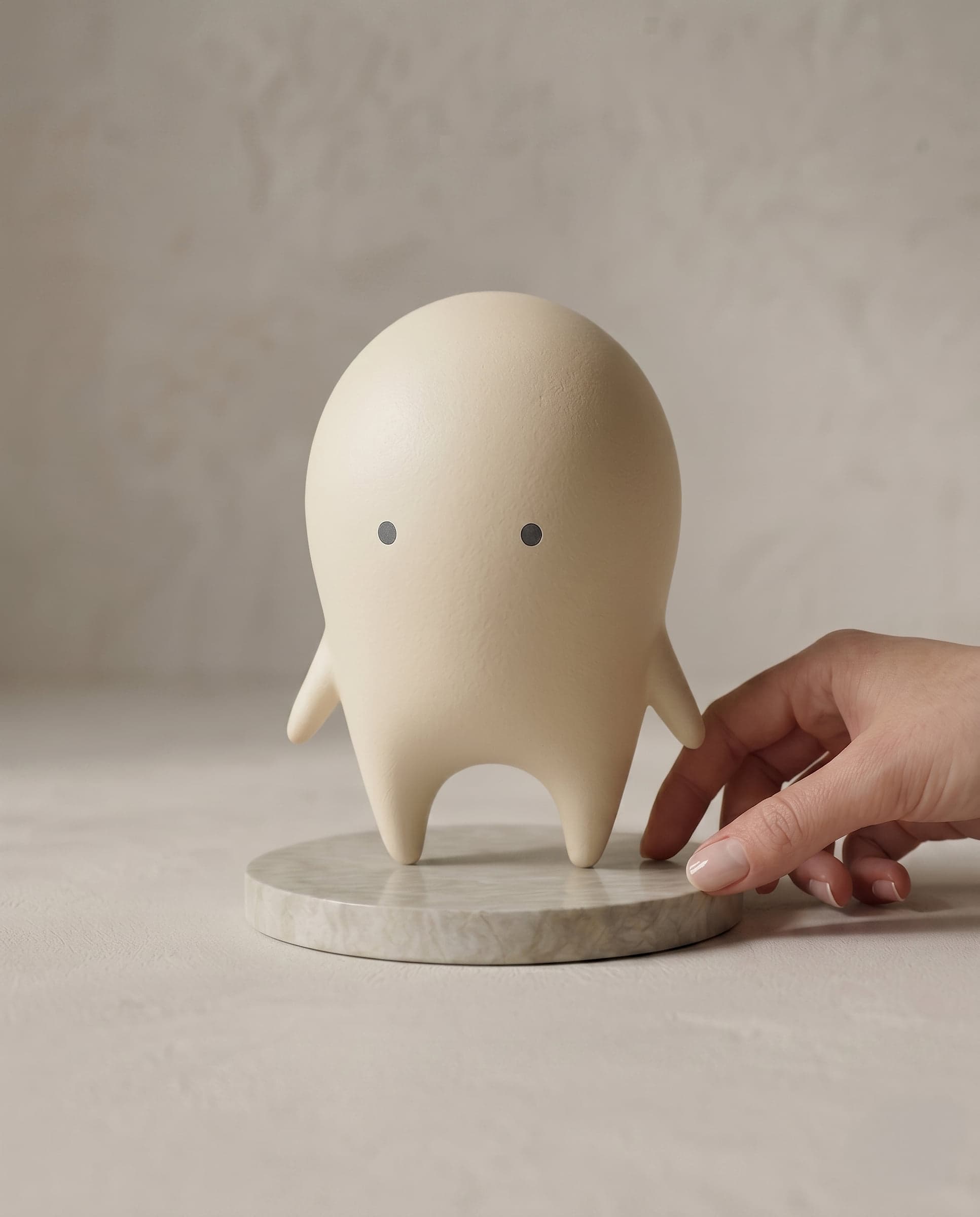
What lives within these things is kami: god, spirit, presence, a quality of aliveness that does not require consciousness or intention. A tree has it, a stone has it, a river has it. The rock in the garden that has sat in the same position for four hundred years has it. Not because someone decided it was sacred, but because it is alive in the way that all things are alive when you pay attention. This is the belief that Auwa draws from.
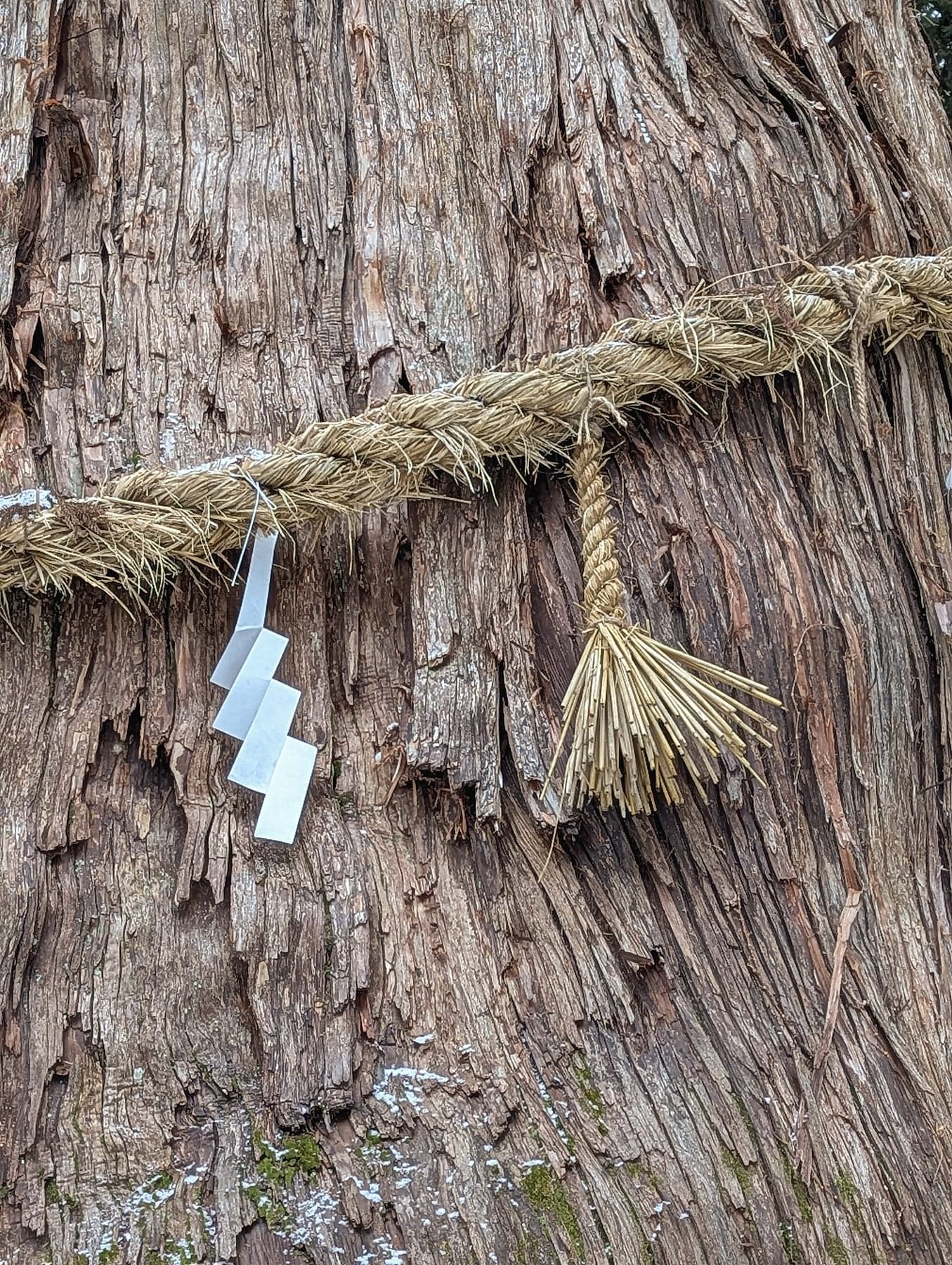
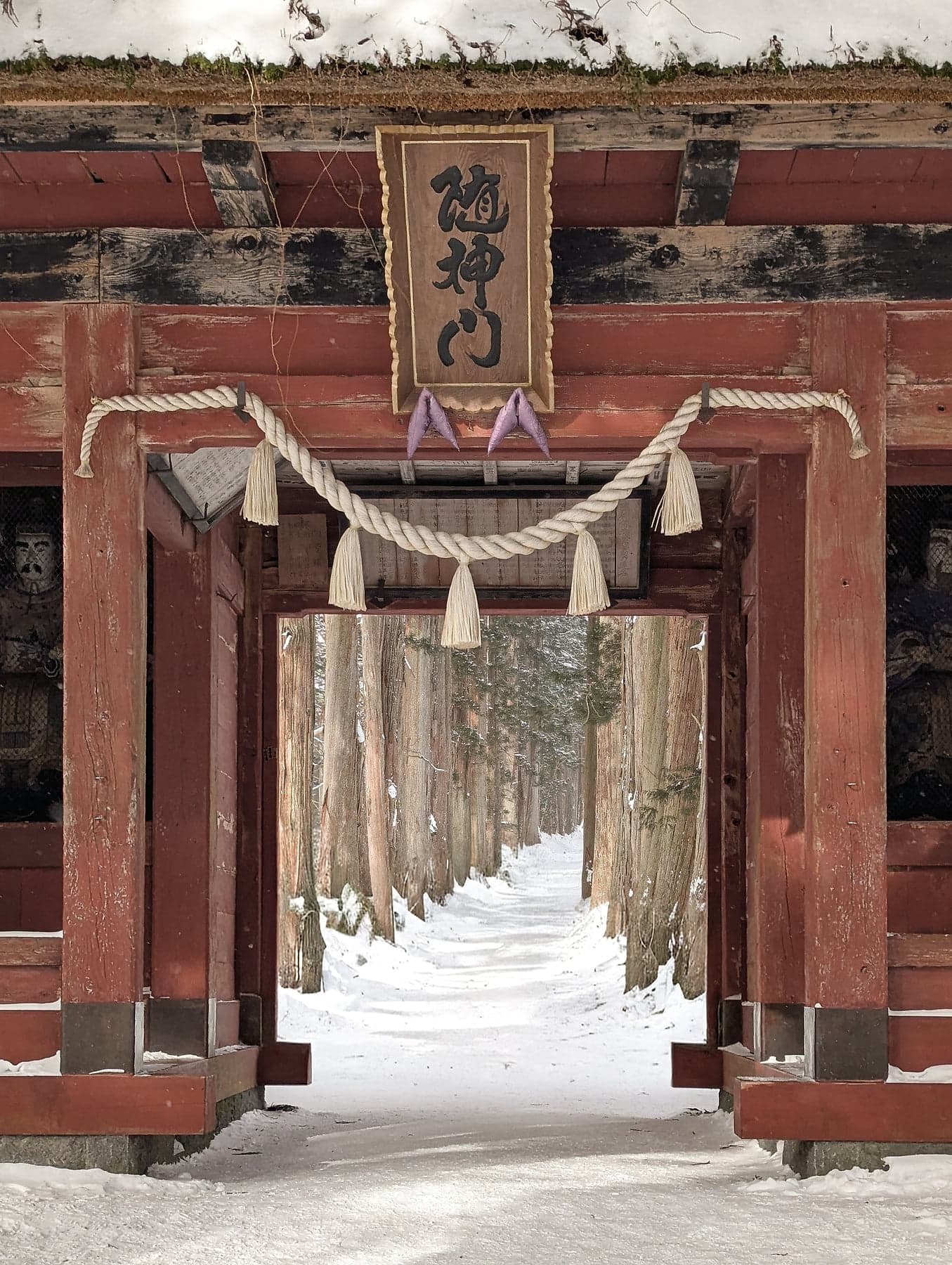
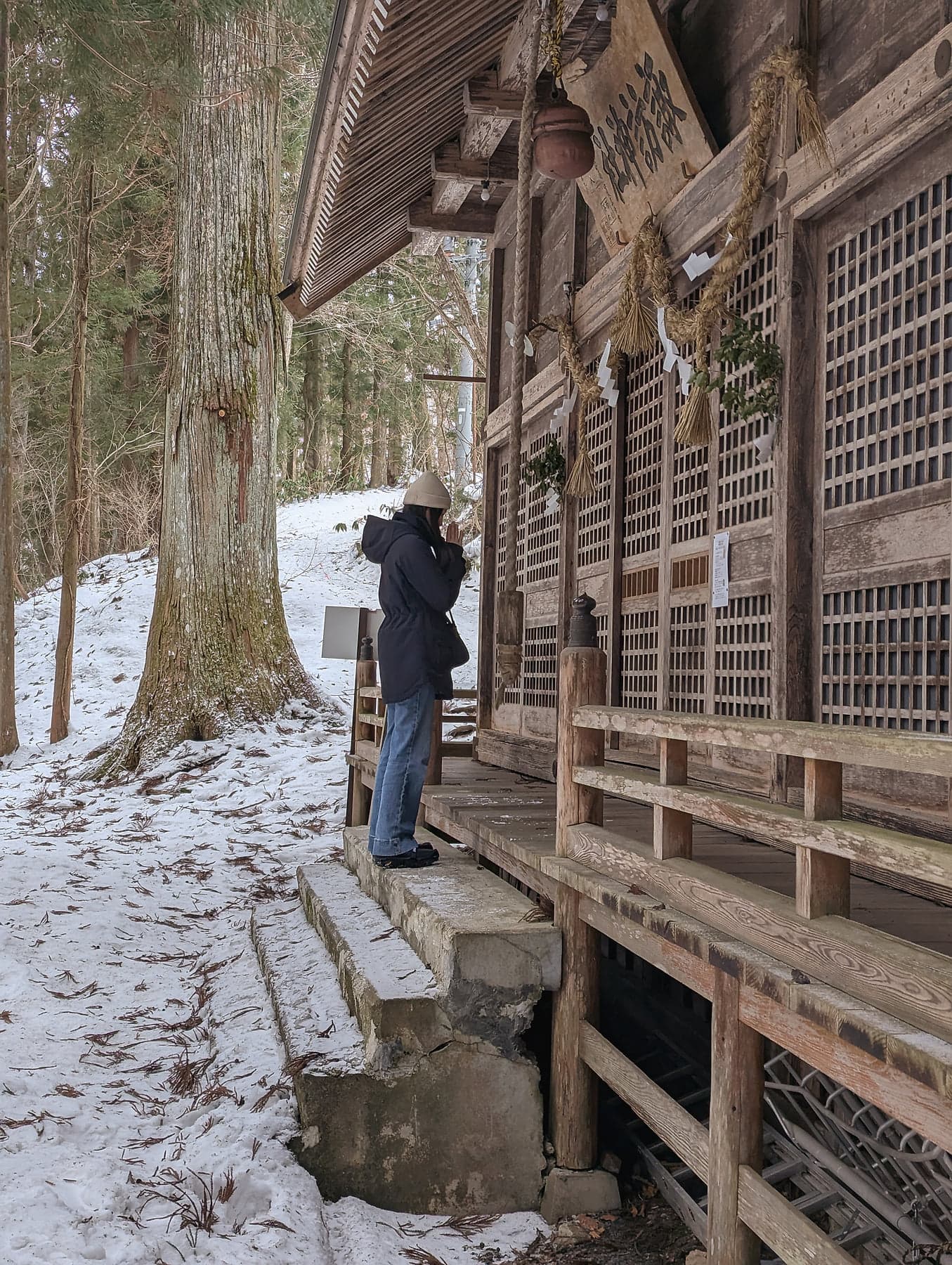
At Togakushi Shrine, in the mountains above Nagano, a shimenawa (a sacred rope of twisted rice straw) is tied around a cedar tree. The rope marks the tree as inhabited by kami, a spirit. But the rope does not create the spirit. It only acknowledges what is already there, which is the critical distinction: Yaoyorozu no Kami is recognition rather than consecration. The tree was alive with kami before anyone tied a rope around it. The rope is simply a way of saying: we noticed. It also marks a sacred place, where gods reside, and serves as a barrier to prevent impure things from entering.
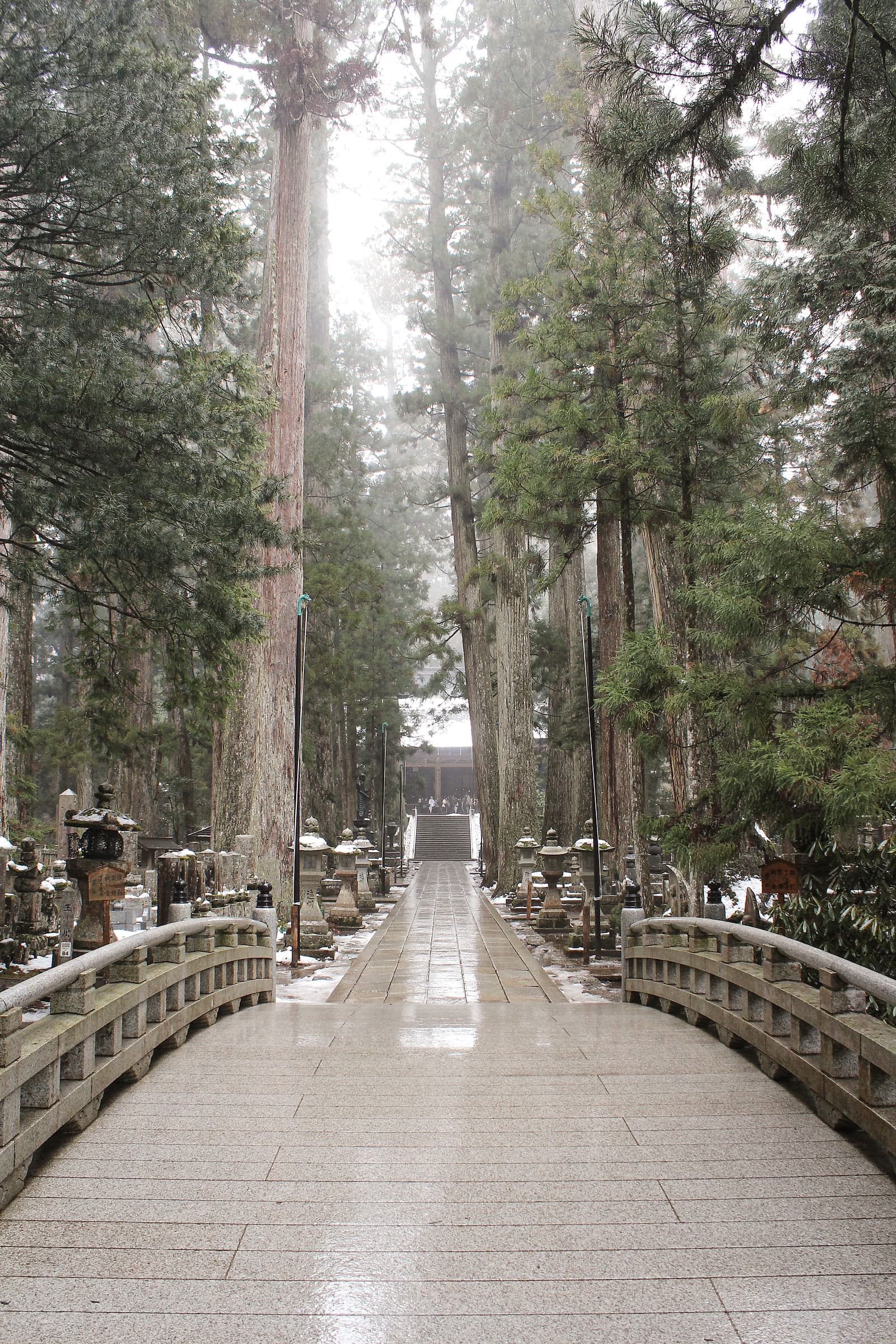
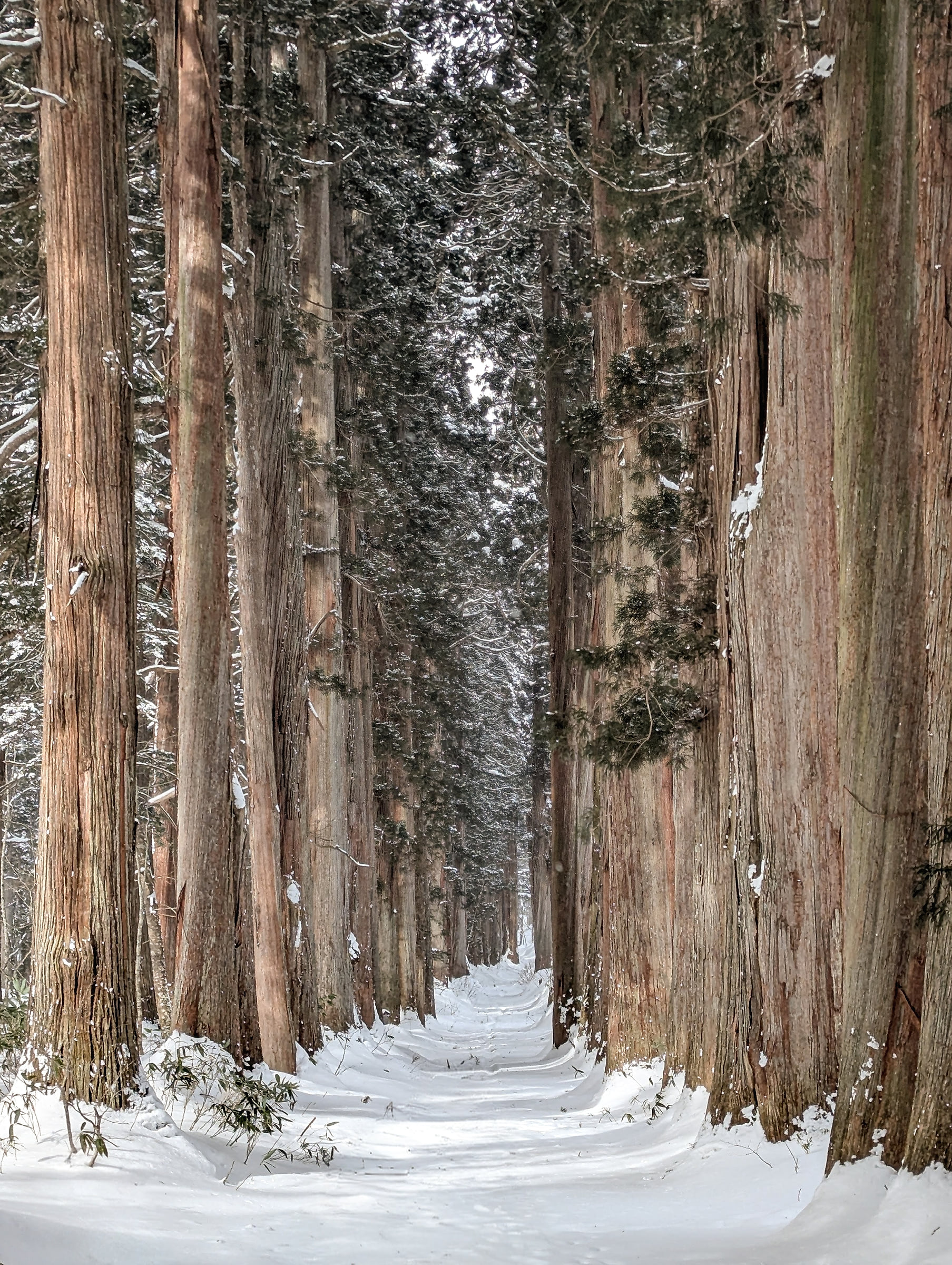
The cedar avenue at Togakushi runs for several hundred metres through deep snow. The trees on either side are enormous, their trunks rising like columns, the canopy closing overhead to filter the winter light into something grey and still. Some have been standing for four hundred years, younger cousins of the thousand-year cedars of Yakushima. You walk between them and something shifts in your chest. Not reverence exactly, and not awe in the way that word gets used, but something quieter: the recognition that these trees are not scenery. They are present in a way that makes your own presence feel temporary and small.
“The rope does not create the spirit. It only acknowledges what is already there.”
We tend to frame this as a Japanese concept, something culturally specific. But I think that is only half true. The cultural specificity is in the naming, the acknowledgement, the practice of tying ropes and placing offerings and bowing to a waterfall. The feeling itself is universal. Every child has talked to a stuffed animal and meant it. Every cook has a favourite knife that is, rationally, identical to three others in the drawer but is not. Every person who has lived in a house long enough has felt the moment when it stopped being a building and became something with character, with moods, with a way of holding light in the afternoon that felt like an expression of something.
What modern Western culture lost is not the feeling. It is the permission to take the feeling seriously. Somewhere between the Enlightenment and the Industrial Revolution, the idea that a river or a mountain or a well-made tool might possess something like spirit became childish, primitive, embarrassing. We replaced it with nothing and simply stopped talking about it.
Japan never stopped. This awareness runs through daily life in ways that have nothing to do with shrines or ceremonies. The way you treat your tools, the way you handle food, the custom of kuyō, memorial services held for objects that have completed their service: needles, dolls, brushes, even spectacles. You do not throw away a thing that served you faithfully, you thank it, and that is not sentimentality but a coherent relationship with the material world, one that produces less waste, more care, and a fundamentally different experience of being surrounded by objects.
You do not arrive at Yaoyorozu no Kami through study. You arrive by paying attention long enough that the boundary between alive and not alive stops feeling useful. The tree, the stone, the bowl, the river.
Words & photos
Tom Vining