The plum blossoms opened on a Thursday. Not all of them. Three branches on the tree outside our ryokan, the lower ones that caught the most sun. By Saturday the rest had followed, and by the following week the petals were already falling, collecting in the stone gutter that ran along the path. The whole thing lasted about a week. If you weren’t paying attention, you’d have missed it entirely.
In the old Japanese calendar, this moment has a name. Ume hajimete hiraku. Plum blossoms begin to open. It marks a five-day window around the middle of February, one of seventy-two micro-seasons (shichijuni-kō) that divide the Japanese year into increments so fine they feel less like a calendar and more like a practice of observation.
The system dates to 1685, adapted from an earlier Chinese model by the shogunate astronomer Shibukawa Shunkai. Where the Chinese version described egrets and millet, Shibukawa rewrote the entries to match what a person would actually see in Japan: hawks learning to fly, the first distant thunder, warm winds melting the ice. Each kō lasts roughly five days. Each one names something specific, something you could verify by walking outside and looking.
That specificity is the point. The seventy-two kō are not poetry (though they read like it). They are instructions: go outside and look at what is happening right now, not last week or next month. The paulownia tree is flowering, the fireflies are out, the soil is moist and warm. Every five days, the calendar redirects your attention to whatever the natural world is doing in this particular window, and by the time you’ve noticed it, the window has moved on.
We first encountered the system on a trip to Kyoto. A small printed card at a teahouse listed the current kō: kirigirisu togane ni aru. Crickets chirp on doorsteps. It was late September, and that evening, walking back to the station, we heard them. Not because they hadn’t been there before, but because nobody had told us to listen.
That’s the shift. Not learning something new about nature, but paying a different quality of attention to what was already there. You already know the seasons change. You already notice when the leaves turn, when the first frost arrives, when the evenings get longer. The seventy-two kō simply ask you to notice more often, and with greater precision.
“You already know the seasons change. The seventy-two kō simply ask you to notice more often, and with greater precision.”
Five days is an interesting unit of time. Short enough to feel urgent, long enough to watch something develop: a bud opens, the rain changes character, a bird arrives or departs. In five days the light shifts, measurably, and if you’re watching for it you can feel the axis of the year tilting underneath everything else.
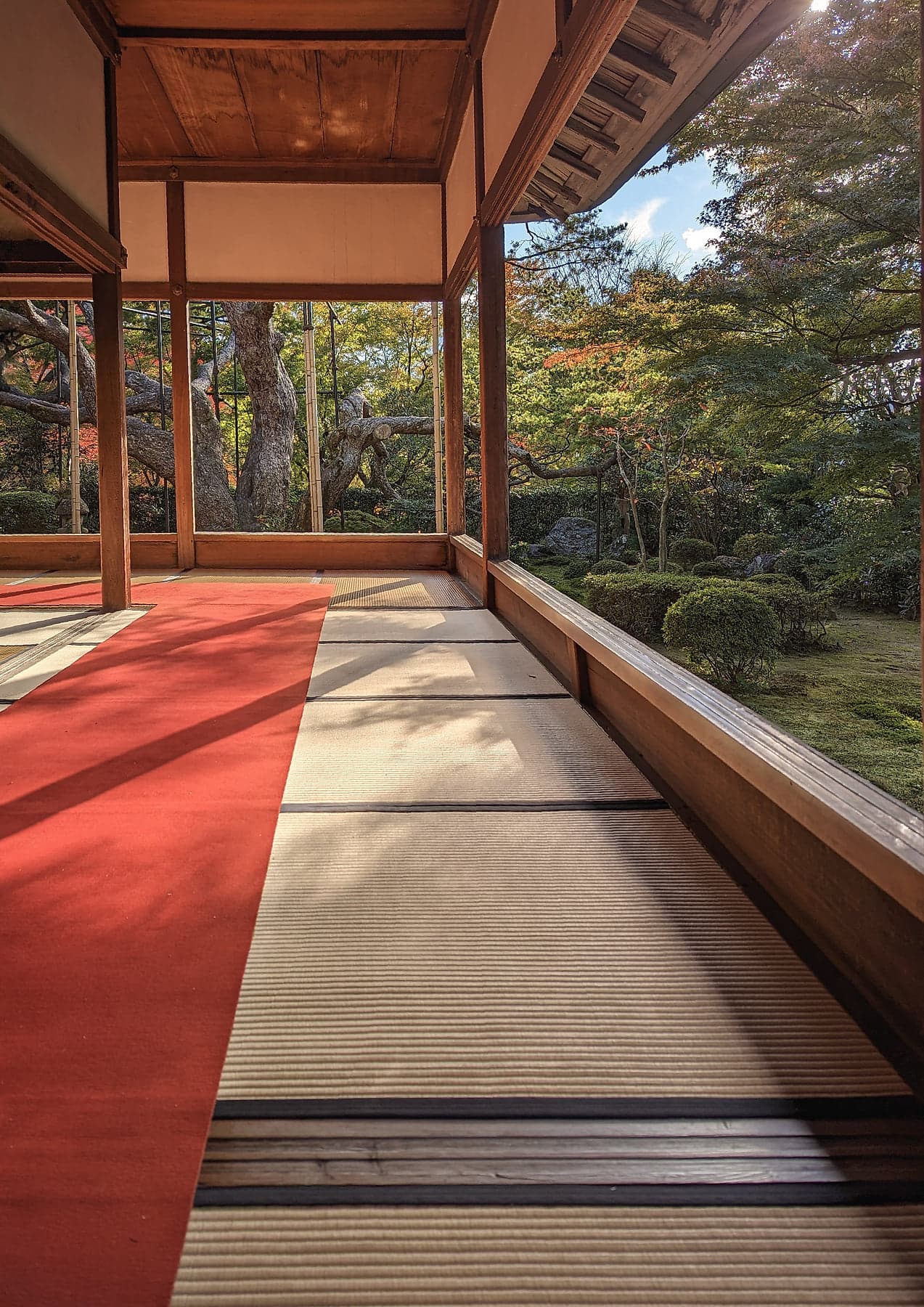
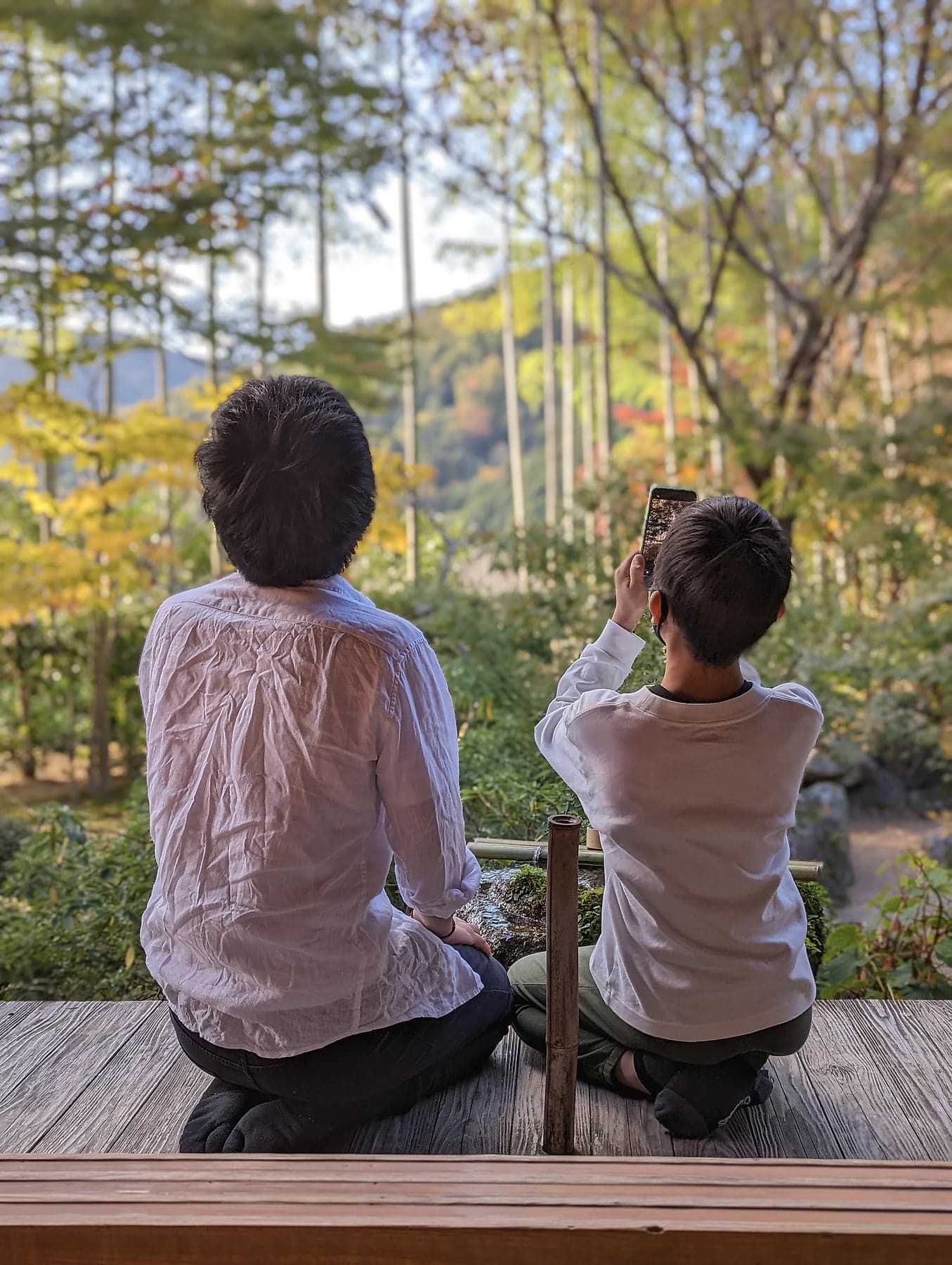
Most of us run on two calendars: the monthly grid and the weekly cycle. Both are administrative. They tell you when things are due, not what is happening. The seventy-two kō offer a third calendar, one that tracks the world rather than your obligations. It doesn’t replace the other two. It runs underneath them, quietly, like a river under a road.
In Japan, this awareness is woven into daily life in ways that don’t announce themselves. Wagashi, traditional Japanese sweets, are designed to reflect the 72 micro-seasons. Flower arrangements follow what is blooming now, not what looks best in general. There is no special effort involved. The culture simply never stopped paying attention to what most modern societies filtered out when they moved indoors.
Auwa’s journal follows this rhythm. Not as a rigid system, and not as a history lesson, but as a prompt. Every five days, the season offers something worth noticing. A shift in light. A sound at dusk. A particular quality in the morning air that wasn’t there last week and won’t be there next week. The seventy-two kō aren’t a schedule. They are a way of treating the year as something happening around you, now.
Words
Rieko MaedaPhotos
Tom Vining